Kathy L. Wheeler on Gothic Romance, Intricate Plots, and Writing Strong Women in History
Let’s start with your newest release, A Silent Accord. What can readers expect?
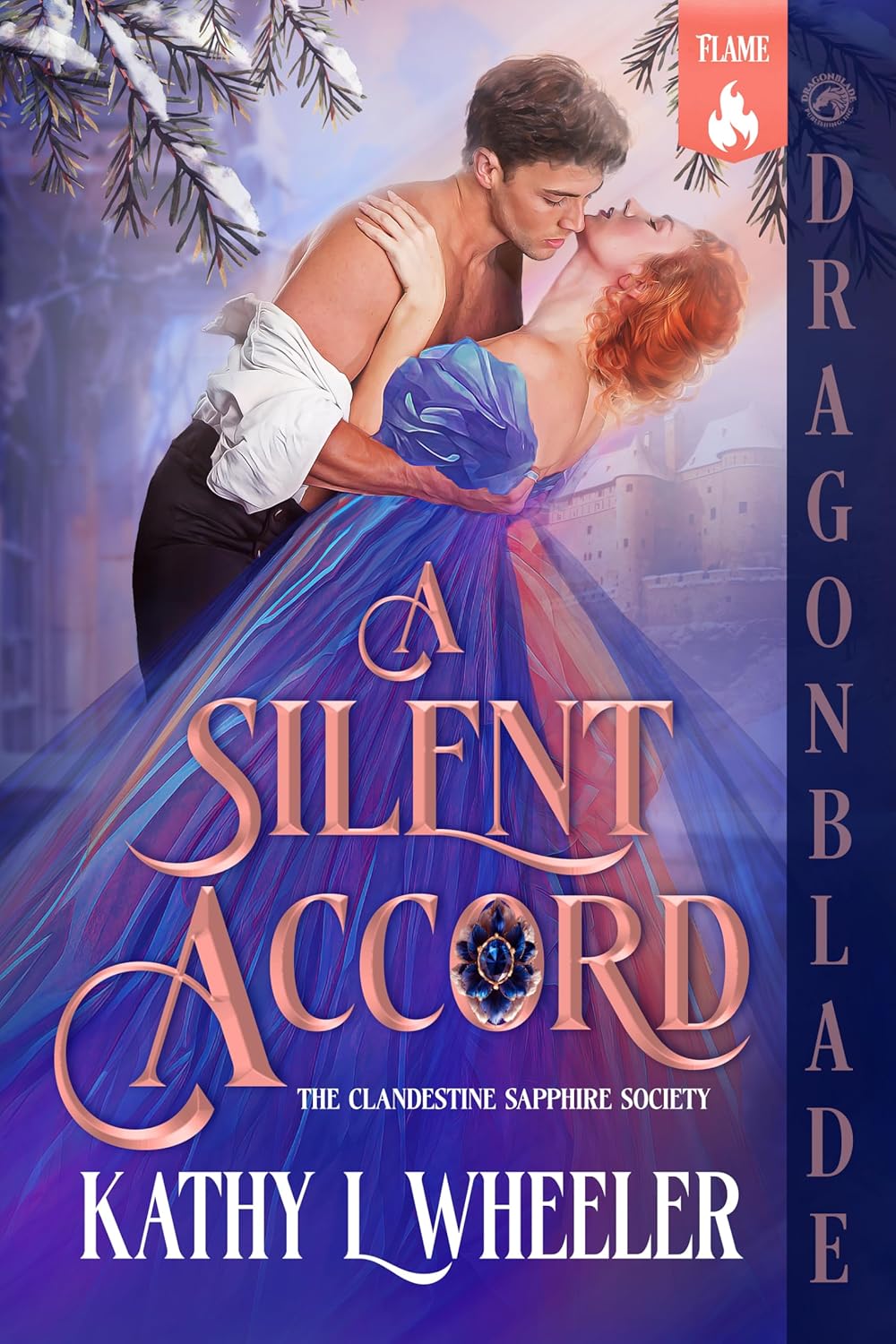
A Silent Accord has a slightly gothic feel and is set in 1827, early enough to sit just before full Victorian society takes hold. It connects loosely to my Rebel Lords of London series, which is more Regency-esque, but this one leans darker and more atmospheric.
The heroine is the daughter of a baron whose gambling has put her in a terrible position. Her father wants her to marry a powerful duke so he can continue gambling, but the duke is a truly horrible man. The hero intervenes by pretending she’s his fiancée to protect her, which launches the story with a fake engagement.
From there, it moves north to Northumberland, where the hero and his brother must deal with their own difficult family situation. There’s mystery, murder, tension, and layered emotional backstories woven throughout. I tend to write intricate plots, it sometimes feels complicated even to me, but it all threads together in the end.
Your stories often span multiple books and generations. How important is that layered storytelling to you?
Very important. I love planting seeds that grow into future stories. In A Silent Accord, the heroine becomes a governess and has no experience with children, which creates wonderful chaos. Those children eventually grow up and become the heroes and heroines of later books.
I rarely set out planning a huge series. Often, the next book reveals itself while I’m writing the current one. A side character will suddenly feel important, and I know they’ll need their own story.
What draws you to specific historical periods like early Victorian England?
I’ve always loved England. The depth of history there is fascinating, especially compared to America, which feels young by comparison. There’s something compelling about placing modern emotional struggles inside rigid historical structures.
Women in those eras couldn’t own property, had limited rights, and were constantly judged. I find it powerful to write women who push against those constraints. When people are restricted, that independence has to come out somewhere. That tension creates fantastic drama.
How do you approach historical research without getting overwhelmed?
I don’t tend to fall down research rabbit holes. I rely on trusted resources and communities, like Regency Fiction Writers, where I can ask specific questions.
Sometimes it’s small details that matter most. For example, I once discovered that a Catholic and Protestant marriage in a certain period could be legally complicated. That changed an entire character’s background. Those little historical nuances make the story richer without overwhelming it.
Having the right editor is also crucial. Historical tone and language matter. If an editor doesn’t understand the time period, especially around how women spoke or what they would and wouldn’t discuss, it can really show.
Are you a planner or a pantser?
Both!
I usually begin as a pantser for the first few thousand words. I write about 3,500 words to get to know the characters. Then I step back and build structure. If I don’t, I write myself into a hole, and I’ve done that before.
I always need to know the emotional wound at the center of the story. In A Silent Accord, the heroine was trapped as a child with her deceased mother after a fire went out and no one came for her. That trauma shapes her deepest fear. Once you know the wound, you know what the black moment must be. That gives the story direction.
Your books often mix darker themes with humor. Is that deliberate?
Yes. Some of my stories have darker edges, murder, abuse, betrayal, but you must balance that with lightness. I especially enjoy writing children. They’re not overly sweet or unrealistic. They’re sharp, perceptive, sometimes bossy.
In one series, a seven-year-old girl becomes fiercely protective of her younger sister after trauma. She ends up behaving like the adult in the room. Writing that emotional intelligence in children adds both depth and unexpected humor.
Who are some authors that inspire your work?
For contemporary romance, I love Susan Elizabeth Phillips. For historicals, Amanda Quick, Sarah MacLean, Jennifer Ashley, and others with strong heroines and layered plots.
Reading widely is essential. It helps you understand voice, pacing, and how to show rather than tell. Absorbing great writing sharpens your own storytelling instincts.
What advice would you give new historical romance writers?
Read extensively in the time period you want to write. Pay attention to language and social norms. And understand your character’s emotional wound, it will guide everything else.
Also, accept that your process may evolve. I’ve written many books, and I still discover new ways to approach structure and character.
What’s next for you?
Book eight in the Rebel Lords of London series, titled Be Deviled by the Baroness, releases in mid-April. I’m also about 14,000 words into book four of the Clandestine Sapphire Society series.
Every time I think I’m finished with a series, another character steps forward and insists otherwise.
Connect with Kathy
- Website: KathyLWheeler.com
- Email: Kathy@KLWheeler.com